Record Breaking Heat: A Wake-Up Call for Climate Change Awareness
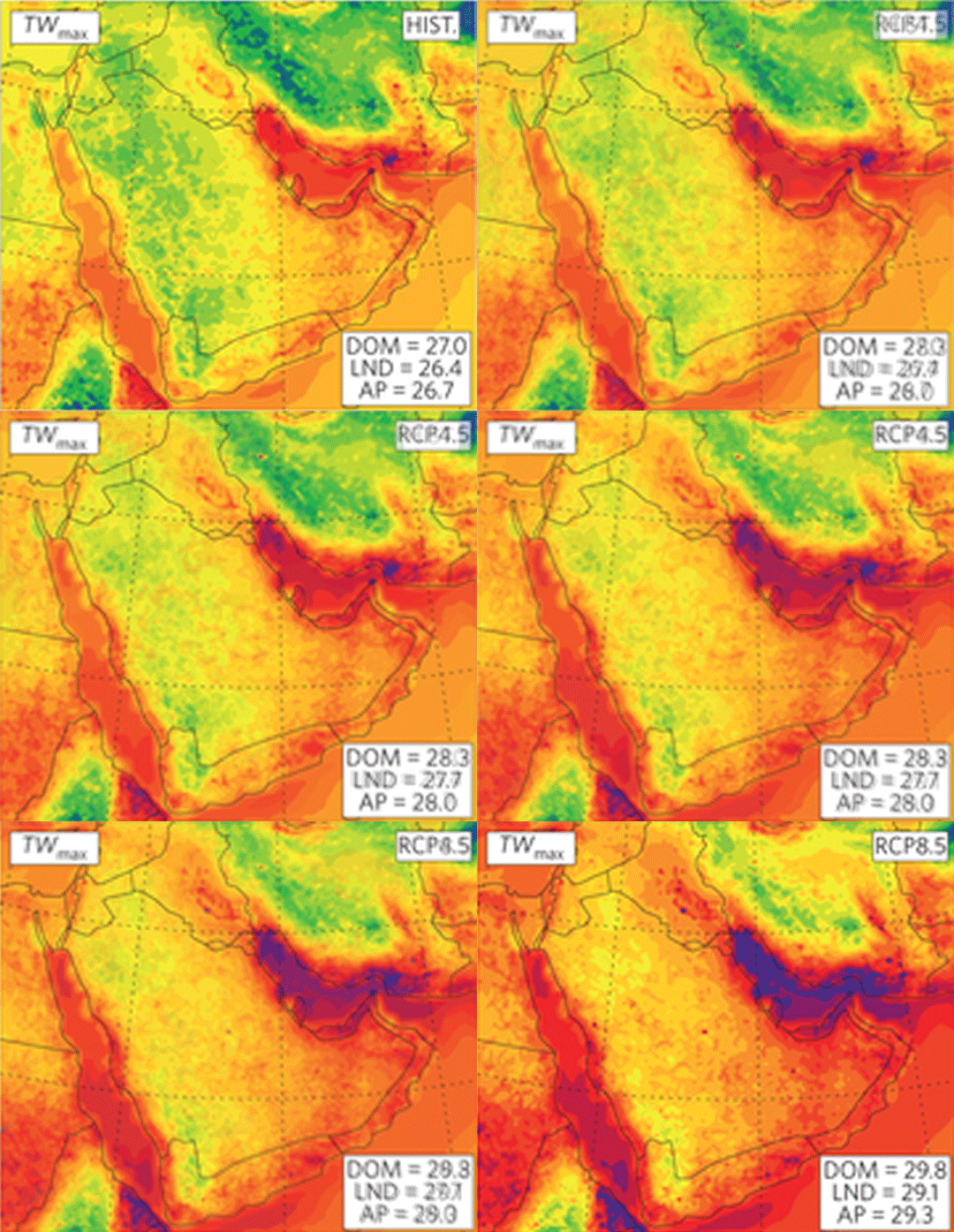
Phoenix recently broke a record with 19 days in a row of temperatures exceeding 110 degrees Fahrenheit, prompting questions about the link between extreme heat and climate change.
Introduction:
Record-breaking temperatures have become a regular occurrence in recent years, and Phoenix, Arizona, has recently experienced a stunning milestone in this regard. The city has just endured 19 consecutive days of scorching temperatures exceeding 110 degrees Fahrenheit. This surpasses the previous record set in 1974, highlighting the severity of the ongoing heat wave. This unfortunate milestone begs the question: is this extreme heat a symptom of climate change?
Understanding the Record Heat:
The rise in temperatures experienced in Phoenix is part of a wider trend seen across the globe. Climate change has been a major contributor to the increasing frequency and intensity of extreme heat events. Scientists have established a clear link between rising greenhouse gas emissions and this phenomenon. As carbon dioxide and other greenhouse gases trap heat in the atmosphere, the planet continues to warm, resulting in more frequent and intense heatwaves.
Implications of Extreme Heat:
Extreme heat carries severe consequences for both the environment and human health. Prolonged periods of high temperatures can lead to droughts, wildfires, and heat-related illnesses. Elevated temperatures also impact ecosystems and agriculture, causing disruptions in animal habitats and reducing crop yields. These negative impacts have far-reaching consequences for biodiversity, food security, and the overall health and well-being of communities.
Addressing Climate Change:
The record-breaking heat in Phoenix serves as a wake-up call to take action against climate change. While individual regions may experience extreme weather events, the effects of climate change are a global concern that requires collective effort. Governments, businesses, and individuals must prioritize sustainability and reduce greenhouse gas emissions by transitioning to renewable energy sources, improving energy efficiency, and adopting sustainable practices.
Adapting to Extreme Heat:
In addition to mitigating climate change, it is crucial to adapt to the challenges presented by extreme heat. This includes implementing heat resilience strategies at the community level, such as incorporating green spaces, implementing heat mitigation measures in urban planning, and ensuring access to cool shelters during heatwaves. Education and awareness campaigns can also play a vital role in informing individuals about the dangers of extreme heat and promoting measures to stay safe during heatwaves.
Conclusion:
The record-breaking heat observed in Phoenix is a stark reminder of the urgency to address climate change. It serves as a clear indication that extreme heat events are becoming more frequent and intense around the world. As individuals and as a society, we must take the necessary steps to combat climate change and adapt to the challenges it presents. By embracing sustainability, reducing emissions, and promoting resilience, we can work towards a future that mitigates the impact of extreme heat and ensures the well-being of both people and the planet.